
Reserva Natural Subterránea San Julián de Banzo (Fuenmayor)
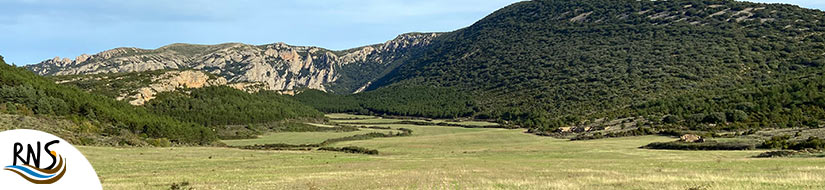
La reserva natural subterránea (RNS) San Julián de Banzo (Fuenmayor) ocupa una superficie de algo más de 10 km², gran parte de la cual se incluye en el Parque Natural Sierra y Cañones de Guara, en la provincia de Huesca. Esta RNS se localiza dentro de los límites de la masa de agua subterránea ES091MSBT033 Santo Domingo-Guara, en la Demarcación Hidrográfica del Ebro.
El acuífero de tipo kárstico que constituye la RNS está formado por rocas de alta permeabilidad, principalmente calizas del Eoceno y del Cretácico. Debajo de estos materiales carbonatados se localizan unas arcillas del Triásico superior, que constituyen la base impermeable del acuífero.
La recarga del acuífero se produce por infiltración directa del agua de lluvia, principalmente en las zonas donde se ha desarrollado en mayor medida la fracturación y karstificación de las rocas calizas. En este sentido, es especialmente relevante la presencia de un polje en la RNS que funciona como punto de infiltración preferencial.
El manantial de San Julián de Banzo, también conocido como manantial de Fuenmayor, da nombre a la RNS y se considera el principal punto descarga del acuífero. Los rápidos y significativos aumentos de caudal registrados en este manantial, son debidos a la respuesta del acuífero frente a los eventos de precipitación, y son característicos de los acuíferos de tipo kárstico donde el agua circula por conductos. Las aguas de este manantial han sido aprovechadas para el abastecimiento de las localidades cercanas e incluso, en ocasiones, de la ciudad de Huesca.
Además de su especial importancia desde el punto de vista de las aguas subterráneas, la zona donde se localiza la reserva forma parte de la Red Natura 2000, así como del Parque Natural Sierra y los Cañones de Guara.
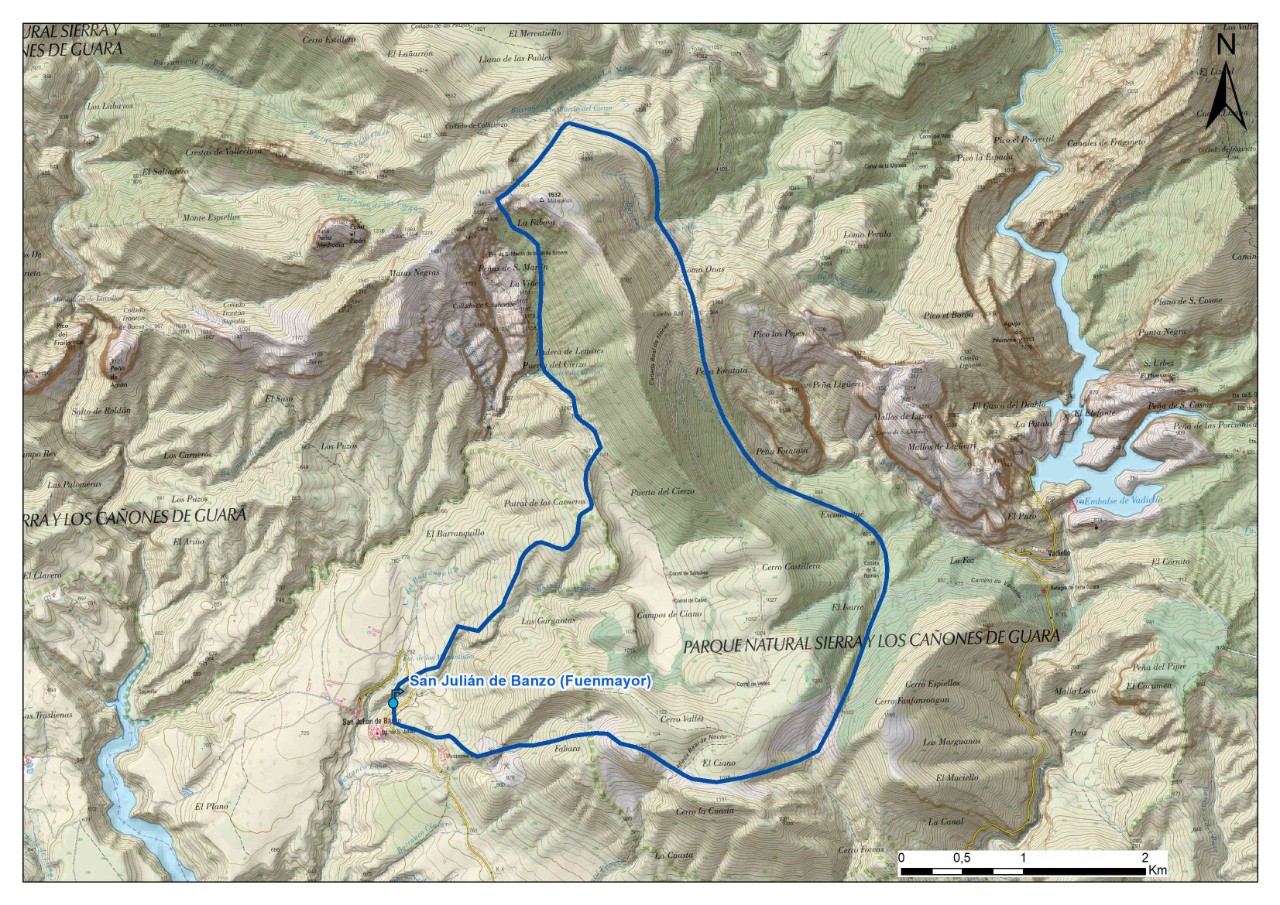
Reserva Natural Subterránea San Julián de Banzo (Fuenmayor)
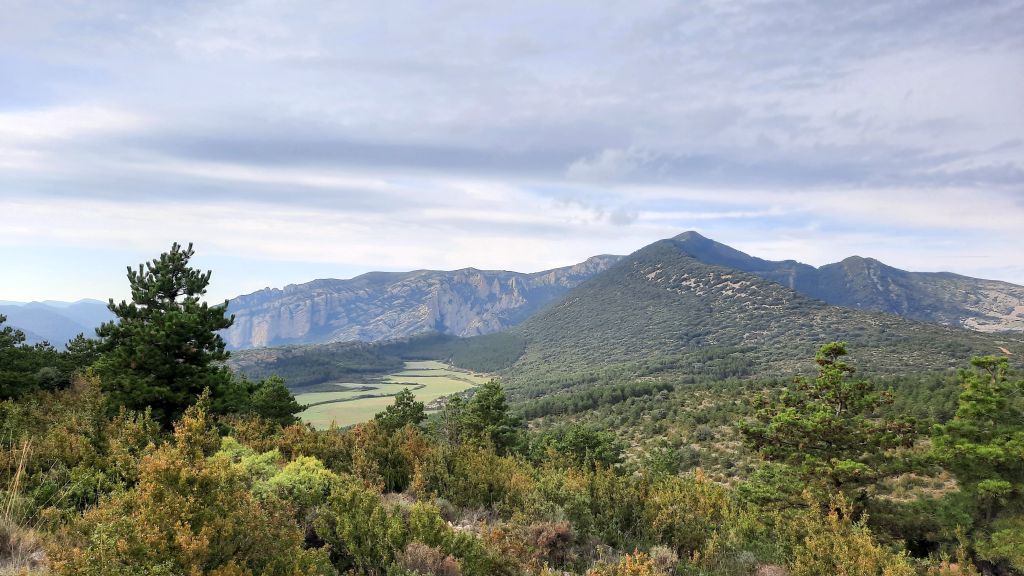 Vista longitudinal SE-NO de la línea de cumbres de la RNS San Julián de Banzo (Fuenmayor) y los Campos de Ciano (Polje). Autor: TTEC (septiembre 2021)
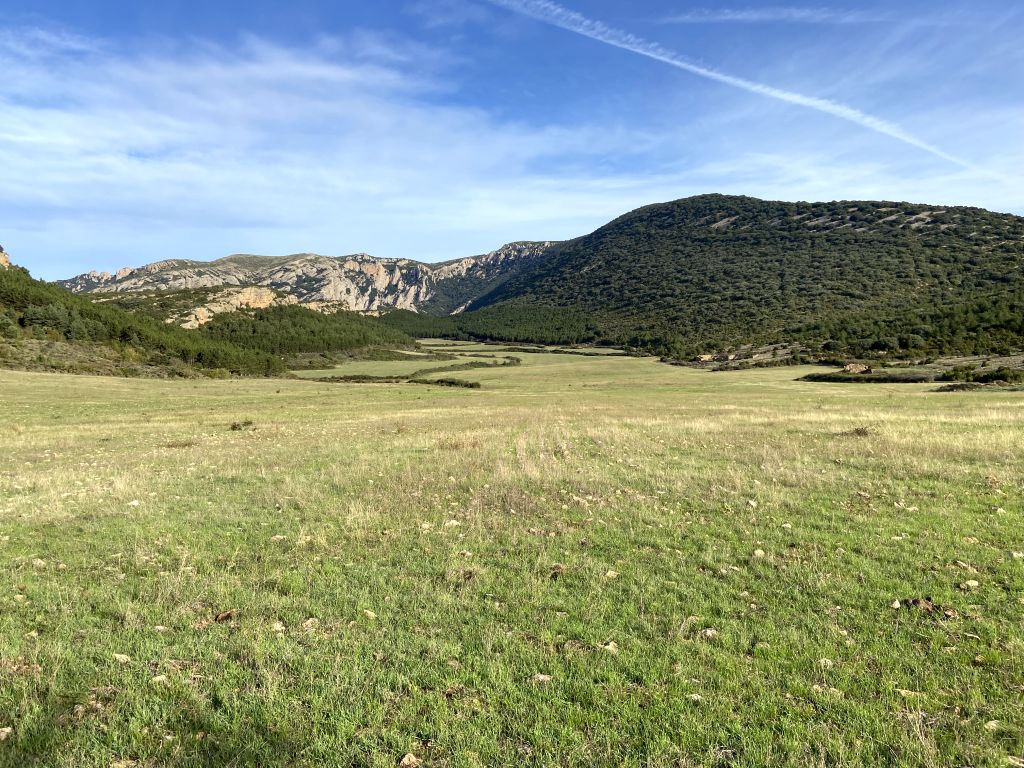 Vista de detalle del polje desarrollado en el paraje conocido como los Campos de Ciano. Autor: TTEC (septiembre 2021)
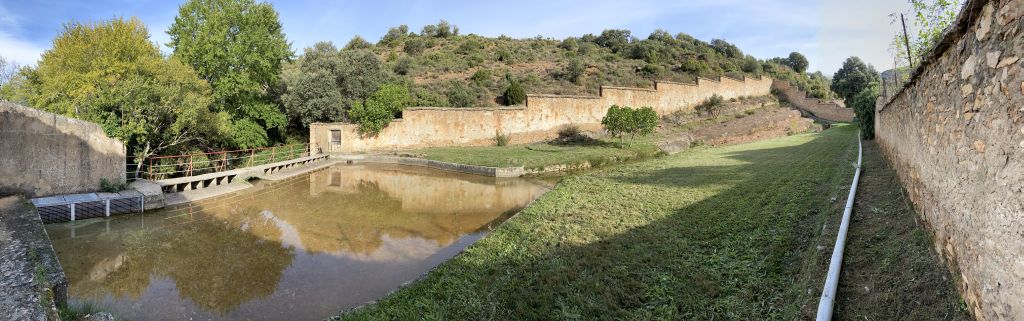 Manantial de Fuenmayor, principal punto de descarga de la RNS. Autor: TTEC (septiembre 2021)
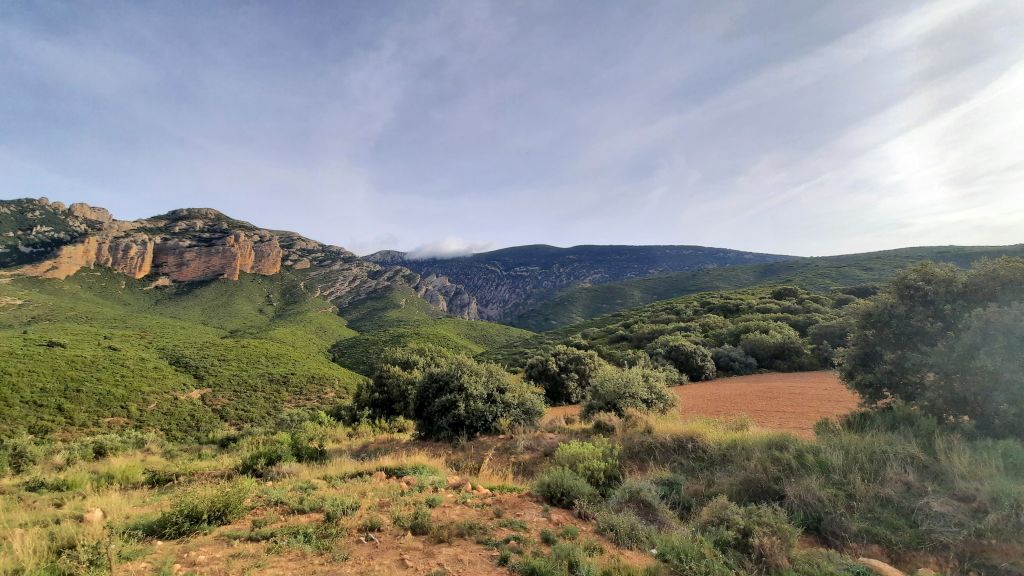 Vista del barranco San Martín, límite occidental de la RNS San Julián de Banzo (Fuenmayor). Autor: TTEC (septiembre 2021)
Descarga cartografía
-
1 ZIP
Ficha y plano
-
1 PDF ficha
-
1 PDF plano